September 1, 2026
What Is Toll Roasting? A Guide to Contract Coffee Roasting
Learn what toll roasting is, how it differs from wholesale coffee, and how contract roasting can help coffee brands and businesses build a coffee program without owning a roastery.
Written by Dose Coffee
Specialty Coffee Toll Roaster
What Is Toll Roasting? A Guide to Contract Coffee Roasting
If you've ever wondered how coffee shops, restaurants, hotels, and other businesses can offer their own coffee without owning a coffee roaster, the answer may be toll roasting.
Toll roasting is a coffee roasting service where a roasting company roasts green coffee on behalf of another business. The customer typically owns or sources the green coffee, while the roaster provides the equipment, labor, expertise, and production capacity needed to turn those green beans into finished roasted coffee.
It's a simple idea, but it can be a powerful way for a growing coffee brand or wholesale customer to get great coffee without investing in a commercial roasting operation.
What Does "Toll Roasting" Mean?
At its simplest, toll roasting means paying a roaster to roast coffee for you.
A business supplies the green coffee—or works with the roaster to source it—and the roasting company handles the physical roasting process. Depending on the arrangement, the finished coffee can then be delivered to the customer, packaged into retail bags, or prepared for another part of the supply chain.
Think of it as renting roasting capacity rather than buying and operating a roastery.
The term "toll" comes from the idea of paying a fee for access to a service or piece of infrastructure. In this case, the infrastructure is the roasting operation.
You provide the coffee. The roaster provides the roasting.
How Does Toll Roasting Work?
Every toll roasting arrangement is a little different, but the process usually looks something like this:
- Green coffee is selected
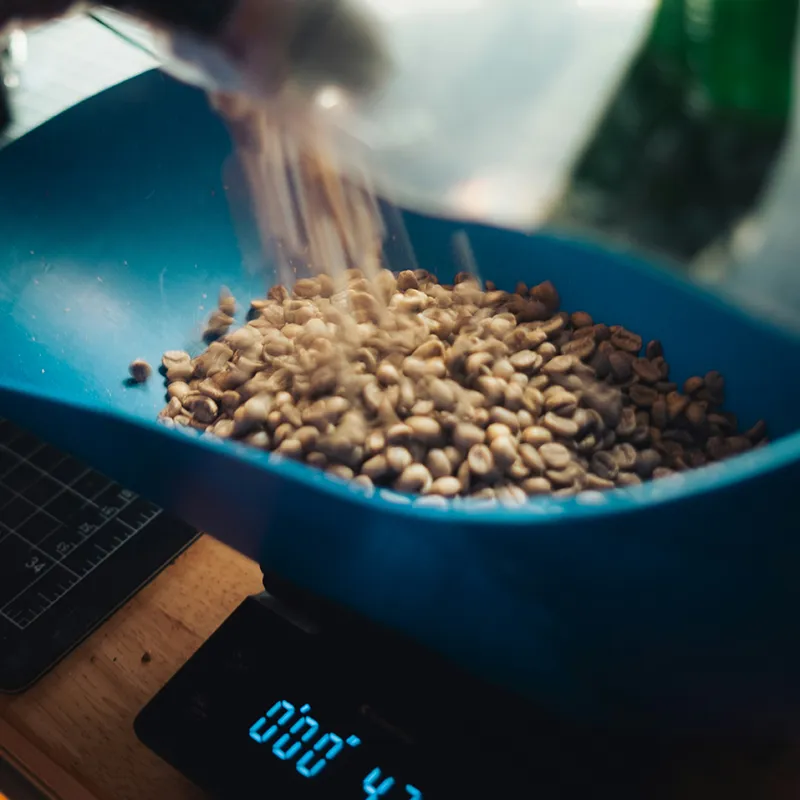
The customer provides green coffee or works with the roasting company to source it. This could be a single-origin coffee, a blend, or a coffee selected specifically for a particular flavor profile.
- A roast profile is developed
The customer and roaster determine how the coffee should be roasted. For an existing coffee, this might mean matching an established roast profile. For a new coffee, the roaster may develop and test a profile designed to bring out the desired characteristics of the bean, and for its intended use such as espresso or pour-over.
Variables such as charge temperature, gas, airflow, drum speed, development time, and final temperature can all influence the finished coffee.
- The coffee is roasted
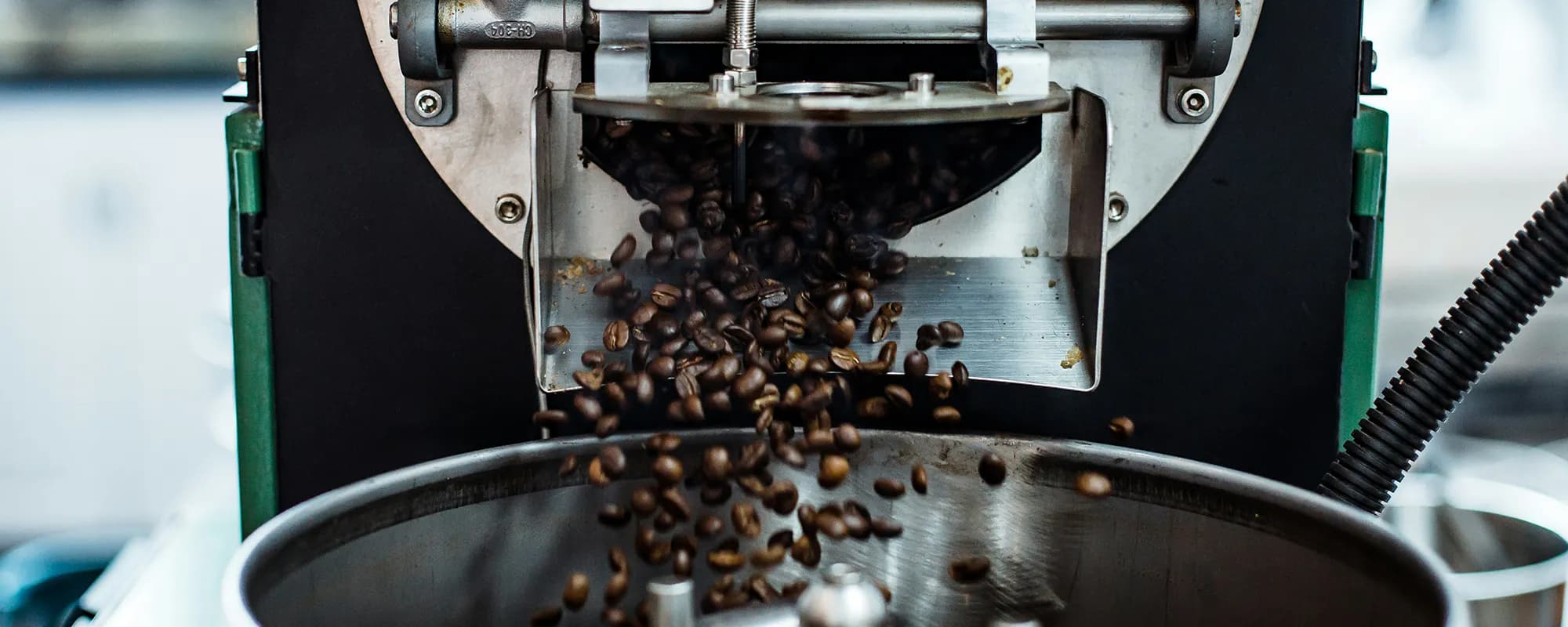
The roaster handles production using its commercial roasting equipment. This is where the customer's green coffee becomes the roasted coffee they can sell, brew, or use in their business.
- The finished coffee is prepared for the customer
Depending on the agreement, the roasted coffee may be delivered in bulk, packaged into retail bags, or prepared according to the customer's specifications. The result is a finished coffee product without the customer having to purchase, install, maintain, and operate a commercial roaster.
Toll Roasting vs. Wholesale Coffee
Toll roasting and wholesale coffee can sound similar because both involve a coffee roaster working with another business. But they're actually two different business models.
Wholesale coffee
With traditional wholesale coffee, the roaster owns the green coffee, roasts it, and sells the finished coffee to a wholesale customer.
A coffee shop might purchase a house espresso, a decaf, and several drip coffees from the roaster. The roaster controls the sourcing, roasting, and finished product, while the coffee shop purchases the coffee and serves it to its customers.
Toll roasting
With toll roasting, the customer generally owns or supplies the green coffee.
The roaster is providing a production service rather than selling the underlying coffee as its own wholesale product.
This distinction gives the customer significantly more control over the coffee itself.
TOLL ROASTING You hire the roaster to roast your coffee.
How toll roasting and wholesale coffee complement each other
A business doesn't necessarily have to choose between toll roasting and wholesale coffee.
For example, a coffee shop might purchase its everyday espresso through a traditional wholesale program while using toll roasting to produce a custom coffee for its retail bags.
The two models can work side by side.
Why Would a Business Choose Toll Roasting?
Toll roasting is particularly useful when a business wants control without the overhead of owning a roastery.
You're building your own coffee brand
If you're creating a private-label or proprietary coffee brand, toll roasting can let you control the coffees that go into your products without having to become a full-scale coffee roaster yourself.
You want to test a new product
Launching a new coffee doesn't necessarily justify purchasing a roaster. Toll roasting can provide a way to produce an initial run, test the market, and increase production if the product takes off.
You need additional roasting capacity
Even an established roastery can occasionally run into capacity constraints. A toll roasting partner can provide additional production capacity without requiring the business to immediately purchase another roaster or expand its facility.
You want to focus on your customers
Running a roastery involves much more than roasting coffee. Equipment maintenance, ventilation, utilities, green coffee storage, production scheduling, quality control, and staffing all require time and money.
Toll roasting lets another company handle much of that infrastructure while you focus on building the business around the coffee.
What Makes a Good Toll Roasting Partner?
Not all roasting services are the same. If you're evaluating a toll roasting partner, look beyond the simple per-pound roasting price.
Consistency
Your customers expect the coffee in their bag this month to taste like the coffee they loved last month.
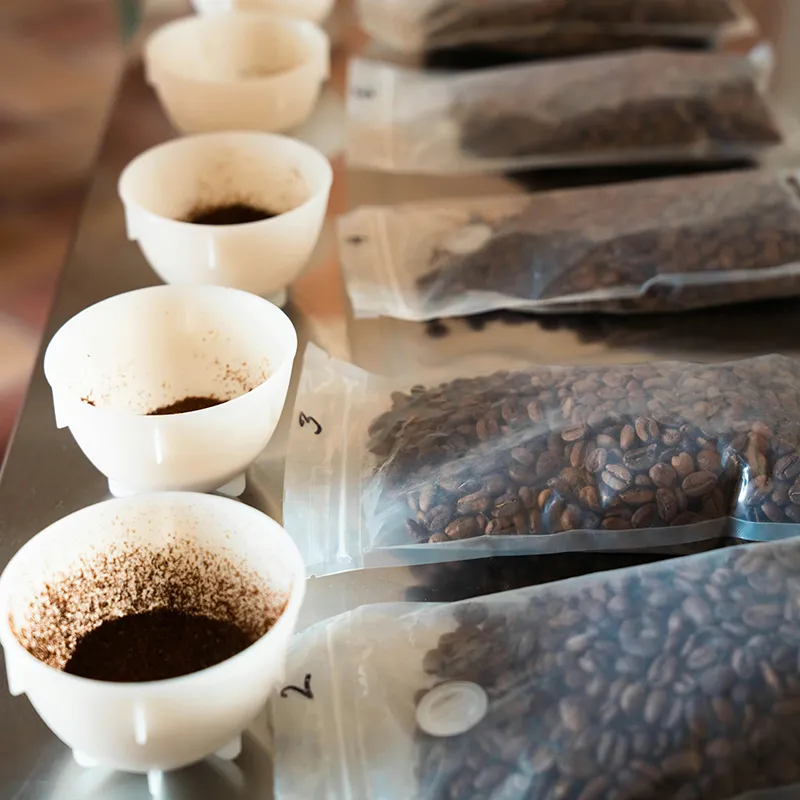
A good toll roasting partner should have documented roast profiles, quality-control procedures, and the equipment and experience necessary to produce consistent results.
Communication
Roasting is both a technical process and a sensory one.
You should be able to communicate what you're looking for and have a roasting partner who understands how to translate that into a production roast.
Flexibility
Your needs may change as your business grows.
Look for a partner who can accommodate different coffees, batch sizes, packaging requirements, and production schedules.
Production capacity
Your toll roasting partner needs enough capacity to support your current needs—and ideally your future ones.
A partner that can roast 100 pounds per month for you today may not be the right partner if you expect to need 1,000 pounds per month six months from now.
Toll Roasting Makes Roasting More Accessible
Owning a commercial roastery is a significant investment. For many businesses, that's simply more infrastructure than they need.
Toll roasting provides an alternate path, giving access to commercial roasting equipment and roasting expertise without having to build the entire operation yourself.
Toll Roasting at Dose
At Dose, we believe roasting should be about getting the most out of the coffee—not making the process unnecessarily complicated.
For businesses looking to develop their own coffee program, toll roasting can provide the production infrastructure needed to bring that coffee to life.
Whether you're developing a private-label coffee, launching a new brand, expanding an existing wholesale program, or simply need additional roasting capacity, the right roasting partner can give you the flexibility to grow without immediately investing in your own roastery.
Your Vision. Our passion.
And that's the basic idea behind toll roasting. Want to develop your own coffee, starting today? Let's connect.
Connect with DoseFrequently Asked Questions About Contract Coffee Roasting
How can I develop my own coffee without a roaster?
Toll roasting allows you to work with a coffee roaster to leverage their experience and equipment to develop a coffee product in your vision.
Who owns the coffee in a toll roasting arrangement?
Typically, the customer owns or supplies the green coffee. However, the exact ownership and sourcing arrangement depends on the agreement between the customer and roasting company.
Can a toll roaster help develop my roast profile?
Yes. Many toll roasting relationships include roast-profile development or consultation. The level of involvement depends on the roaster and the customer's needs.
Can toll roasting be used for small businesses?
Yes. Toll roasting can be especially useful for businesses that want to create a coffee product but aren't ready to invest in their own roasting operation. Minimum production quantities vary by roaster.
Is toll roasting cheaper than owning a coffee roaster?
It can be, particularly when you consider the full cost of owning and operating a roastery. The comparison depends on production volume, equipment, labor, facility costs, and other operating expenses.
Can toll roasting support a wholesale coffee business?
Absolutely. Toll roasting can allow a business to create proprietary or private-label coffee while avoiding the infrastructure required to roast it themselves. It can also supplement an existing wholesale coffee program by providing additional production capacity.
Photo Credits
- Roasting complete photo by Gregory Hayes on Unsplash
- Measure green coffee photo by Kyle Vaughn on Unsplash
- Coffee samples photo by Danny Pérez on Unsplash