

September 13, 2026
What Is an Omni Roast Coffee? How It Differs From Espresso & Pour Over Roasts
Learn what omni roast coffee is, how it differs from coffee roasted specifically for espresso or pour over, and which approach makes sense for wholesale and private label coffee programs.
Written by Dose Coffee
Specialty Coffee Roasting Partner
What Is an Omni Roast Coffee?
At its simplest, omni roast coffee is coffee roasted to work well across multiple brewing methods.
Instead of developing a coffee specifically for espresso or specifically for pour over, the roaster creates a profile intended to produce a balanced and enjoyable cup whether the coffee is brewed as espresso, drip coffee, pour over, or another filter method.
The name comes from the idea of omni—meaning all or every. That doesn't mean an omni roast is equally perfect for every brewing method. Coffee doesn't work quite that neatly.
Instead, the goal is versatility.
An omni roast is developed to perform well across different brewing applications.
Is Omni Roast a Roast Level?
Not exactly—this is one of the most common misconceptions about omni roast coffee.
When people hear "omni roast," they sometimes assume it means a particular roast level—usually something in the middle between a light pour-over roast and a darker espresso roast. But omni roast describes the intended use of the coffee, not a specific roast level.
An omni roast can be relatively light, medium, or darker depending on the coffee, the roaster, and the desired result. What matters is that the roast profile is designed to produce a good extraction across multiple brewing methods.
That means a roaster might adjust variables such as development time, airflow, gas application, and final temperature to create a coffee that retains enough acidity and complexity for filter brewing while developing enough sweetness, body, and solubility to work well as espresso.
How Is Omni Roast Coffee Different From Espresso Roast?
Espresso-specific coffee is roasted with espresso extraction in mind.
Espresso is a concentrated brewing method. Water is pushed through finely ground coffee under pressure, and the brewing process is relatively short. That puts different demands on the coffee.
An espresso-focused roast may be developed to emphasize:
- Sweetness
- Rich body
- Balance
- Solubility
This doesn't necessarily mean an espresso roast has to be dark. Specialty coffee has moved well beyond the idea that espresso automatically means dark, oily beans. A modern espresso roast can be light or medium and still be specifically developed for espresso.
What Happens If You Brew Espresso Roast as Pour Over?
You absolutely can.
Coffee doesn't know what the label on the bag says, but the resulting cup may not be what the roaster intended—and that is OK.
A coffee developed specifically for espresso may emphasize body and sweetness at the expense of some of the acidity, aromatics, or delicate flavor separation that a filter-focused roast might highlight. It can still make a very good pour over. It simply may not showcase the coffee in the same way as a roast developed specifically for filter brewing.
How Is Omni Roast Different From a Filter or Pour Over Roast?
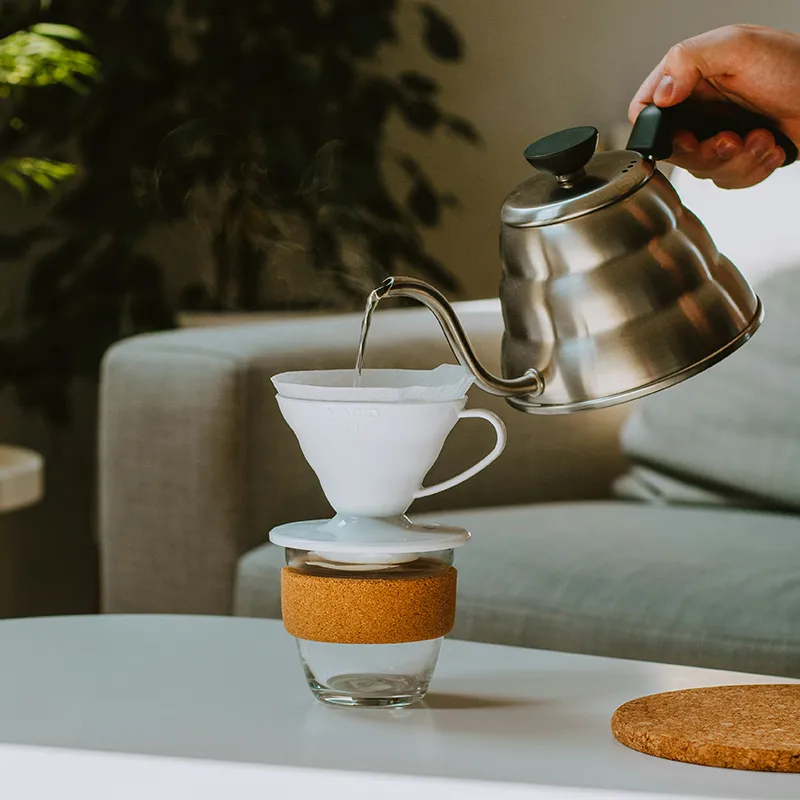
Pour-over coffee is a filter-brewing application, and roasting for it often means emphasizing characteristics that shine when coffee is extracted more gradually.
A pour-over-specific roast may be designed to highlight:
- Clarity
- Acidity
- Aromatics
- Origin characteristics
- Delicate or complex flavors
Filter brewing generally extracts coffee differently from espresso, and a roast profile can be developed around those differences. For example, a light roast might preserve the acidity and floral or fruit characteristics of a high-quality single-origin coffee.
That can make for a spectacular pour over. It may not, however, produce the espresso profile a café wants from its house espresso.
What Happens If You Brew Pour Over Roast as Espresso?
You guessed it—you absolutely can!
This is where you'll need your skills on dialing in an espresso shot. The pour over coffee will likely be roasted to highlight the brightness or acidity. The concentrated brew method of espresso will highlight the acidity even further. If you can avoid the pucker-inducing brightness, you'll get an espresso that brings out the strongest flavors of the bean's origin.
Omni Roast vs. Espresso vs. Pour Over
The simplest way to think about the three approaches is this:
| Omni Roast | Espresso Roast | Pour Over Roast | |
|---|---|---|---|
| Primary goal | Versatility | Espresso extraction | Filter extraction |
| Brewing methods | Multiple | Primarily espresso | Primarily filter |
| Body | Balanced | Often emphasized | Often lighter |
| Acidity | Balanced | Often moderated | Often emphasized |
| Clarity | Balanced | Secondary to body/balance | Often emphasized |
| Flexibility | High | Moderate | Moderate |
| Best for | Multi-use coffee programs | Dedicated espresso programs | Dedicated filter programs |
These are generalizations, not rules. A light espresso roast can be incredibly vibrant. A pour-over coffee can have plenty of body. And an omni roast can make excellent espresso.
Roasting is about the coffee and the desired result—not putting every bean into a predetermined category.
Why Would a Business Choose an Omni Roast?
This is where omni roast becomes particularly interesting for wholesale and private label coffee programs. A business doesn't always want—or need—different coffees for every brewing method.
You Want One Coffee for Multiple Applications
Imagine a café serving:
- Espresso
- Americanos
- Cappuccinos
- Drip coffee
- Pour overs
One versatile coffee can simplify the coffee program. Instead of buying separate coffees for espresso and filter brewing, an omni roast can potentially serve as the café's primary coffee across multiple preparations.
That's particularly helpful when you're starting out. If you want to control costs and manage a smaller initial inventory, then an omni roast may be a good option. It will also help keep things simple while you learn what your customers want—espresso-based drinks, filter coffees, or a bit of everything.
You're Building a Private Label Coffee Brand
Omni roast can also be particularly useful for a private label coffee brand.
A brand selling coffee online might not know how every customer is going to brew it. One customer may use an espresso machine. Another may use a Chemex. Another may use a batch brewer.
Developing a coffee that performs well across those applications can make the product easier to market.
You Want to Keep Inventory Simple
Every additional coffee creates another SKU to purchase, store, forecast, roast, package, and sell. For a new business, that complexity can add up quickly.
An omni roast can provide a way to offer a versatile specialty coffee without immediately building a large product lineup.
When Does a Business Need an Espresso-Specific Roast?
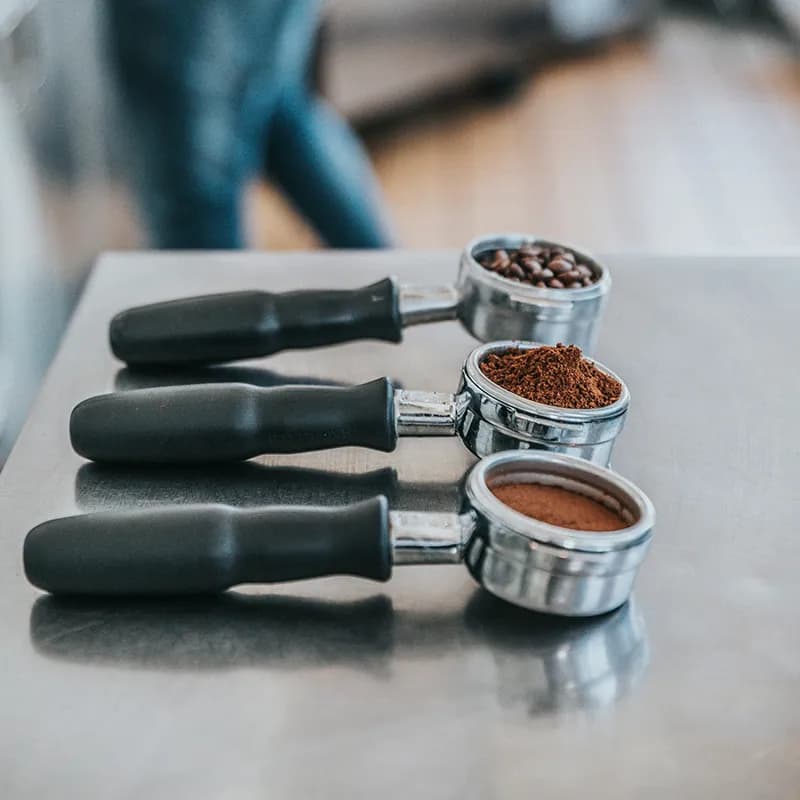
Omni roast isn't automatically the best choice. If espresso is the core of your business, a dedicated espresso roast may make more sense.
A specialty coffee shop with a serious espresso program may want its house espresso to have a very specific combination of sweetness, body, acidity, and finish.
That coffee might be used almost exclusively through espresso machines. In that situation, there's little reason to optimize the roast profile for other brewing methods.
A dedicated espresso roast can be designed around exactly what the café wants from its espresso.
Espresso-Specific Roasting Can Be a Good Fit For:
- Coffee shops with espresso at the center of their menu
- Restaurants with a dedicated espresso program
- Businesses that want a traditional espresso profile
- Brands selling a dedicated espresso product
When Does a Business Need a Pour-Over-Specific Roast?
The opposite can also be true. If your business is built around manual brewing, single-origin coffees, and highlighting origin characteristics, a filter-specific roast may be the better choice.
A coffee shop with a large pour-over menu may want coffees that emphasize clarity, acidity, sweetness, and distinctive origin characteristics.
Likewise, a retail coffee brand positioned around specialty single origins may want to develop individual coffees specifically for filter brewing.
Pour-Over-Specific Roasting Can Be a Good Fit For:
- Specialty coffee shops with strong filter programs
- Single-origin focused brands
- Retail coffees marketed to manual-brewing enthusiasts
- Businesses where origin character is central to the product
- Limited-release and specialty coffees where flavor differentiation is the goal
Choosing the Right Roast for a Wholesale Coffee Program
If you're looking for a wholesale roasting partner, the right question isn't simply:
"Do you offer omni roast?"
Instead, think about how your business actually uses coffee.
Choose Omni Roast When Versatility Matters Most
An omni roast can be a great choice when you want one coffee to work across your menu or product line.
It's particularly useful when you:
- Want to minimize the number of coffees you carry
- Serve customers who use different brewing methods
- Serve both espresso and filter coffee
- Are launching a new coffee brand
- Want a versatile flagship product
Choose Espresso-Specific Roasting When Espresso Is the Priority
If espresso represents the heart of your coffee program, developing a roast specifically around espresso extraction may provide better results.
You can work with your roasting partner to determine the flavor profile you want and develop the coffee around your espresso equipment and brewing parameters.
Choose Pour-Over-Specific Roasting When Filter Coffee Is the Priority
If your business is centered around manual brewing and single-origin coffees, a filter-specific roast can help showcase the characteristics you're trying to highlight.
Build Your Coffee Program With Dose
At Dose, we believe the roast should serve the coffee and the customer—not the other way around.
Whether you're looking for a versatile omni roast, a dedicated espresso profile, a filter-focused single origin, or a completely custom private label coffee, the goal is the same: create a coffee that makes sense for your business and tastes great in the cup.
If you're opening a new cafe, upgrading your restaurant coffee program, or building your own coffee brand, we can help you determine the right coffees, roast profiles, and production approach for your business.
Let's talk about what you're building.
Connect with DoseFrequently Asked Questions About Omni Roast Coffee
What is omni roast coffee?
Omni roast coffee is coffee roasted to perform well across multiple brewing methods rather than being optimized for only one method. An omni roast can typically be used for espresso, pour over, drip coffee, and other filter methods.
Is omni roast the same as a medium roast?
No. Omni roast describes the intended versatility of a coffee rather than a specific roast level. An omni roast can be light, medium, or darker depending on the coffee and the desired flavor profile.
Can omni roast coffee be used for espresso?
Yes. Omni roast coffee can be used for espresso, although an espresso-specific roast may be more optimized for espresso extraction, body, sweetness, and balance.
Can espresso roast be used for pour over?
Yes. Coffee roasted for espresso can also be brewed as pour over, but it may not produce the same acidity, clarity, or flavor separation as a coffee developed specifically for filter brewing.
What is the difference between omni roast and espresso roast?
Omni roast is developed to perform across multiple brewing methods, while espresso roast is developed specifically around espresso extraction. Espresso-specific roasting often emphasizes body, sweetness, balance, and solubility.
What is the difference between omni roast and pour over roast?
An omni roast is designed for versatility, while a pour-over-specific roast is developed for filter brewing. Pour-over roasting often emphasizes clarity, acidity, aromatics, and the distinctive characteristics of the coffee.
Is omni roast coffee good for a coffee shop?
Yes. Omni roast can be a strong choice for coffee shops that want one coffee to work across espresso, drip, and filter brewing. The best choice depends on the shop's menu, equipment, customers, and desired flavor profile.
Should a private label coffee brand use an omni roast?
An omni roast can be a strong option for a private label brand that wants one versatile coffee for multiple brewing methods. Brands with separate espresso and filter products may benefit from developing dedicated roast profiles.
Photo Credits
- Coffee menu photo by Nathan Dumlao on Unsplash
- V60 pour over photo by Goran Ivos on Unsplash
- Espresso portafilter lineup photo by Nathan Dumlao on Unsplash