September 6, 2026
What Are White Label & Private Label Coffee? How to Launch Your Own Coffee Brand
What is the difference between white label and private label coffee, how each model works, and what you need to launch your own coffee brand.
Written by Dose Coffee
Coffee Brand & Roasting Partner
What Are White Label & Private Label Coffee? How to Launch Your Own Coffee Brand
Want to sell coffee under your own name without building a coffee roastery from scratch? White label and private label coffee programs make that possible.
Instead of buying a commercial roaster, finding a production facility, developing every roast yourself, and figuring out how to produce hundreds of pounds of coffee consistently, you can work with an established coffee roaster to create and produce your coffee.
White label and private label are similar with unique distinctions—the biggest being how much control you want over the coffee.
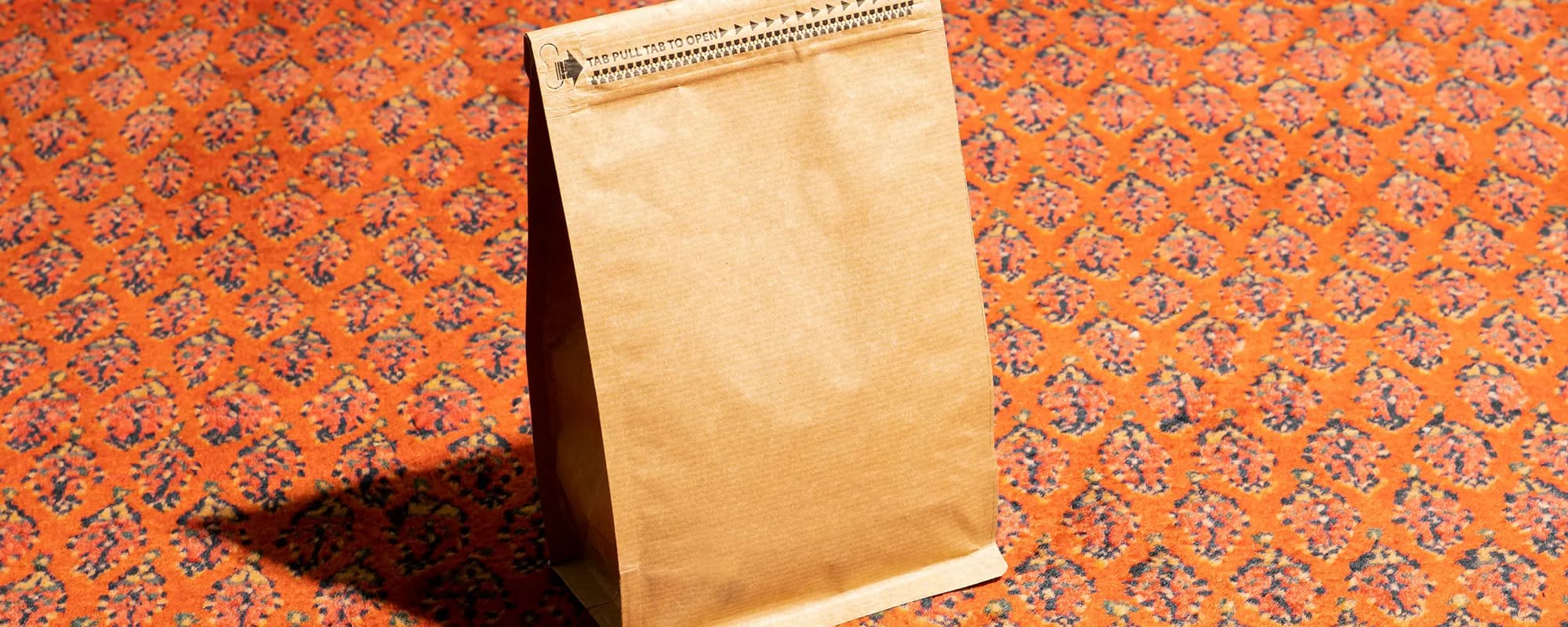
Choose from an existing coffee program and put your brand on it.
PRIVATE LABEL
Create a coffee product specifically for your brand.
What Is White Label Coffee?
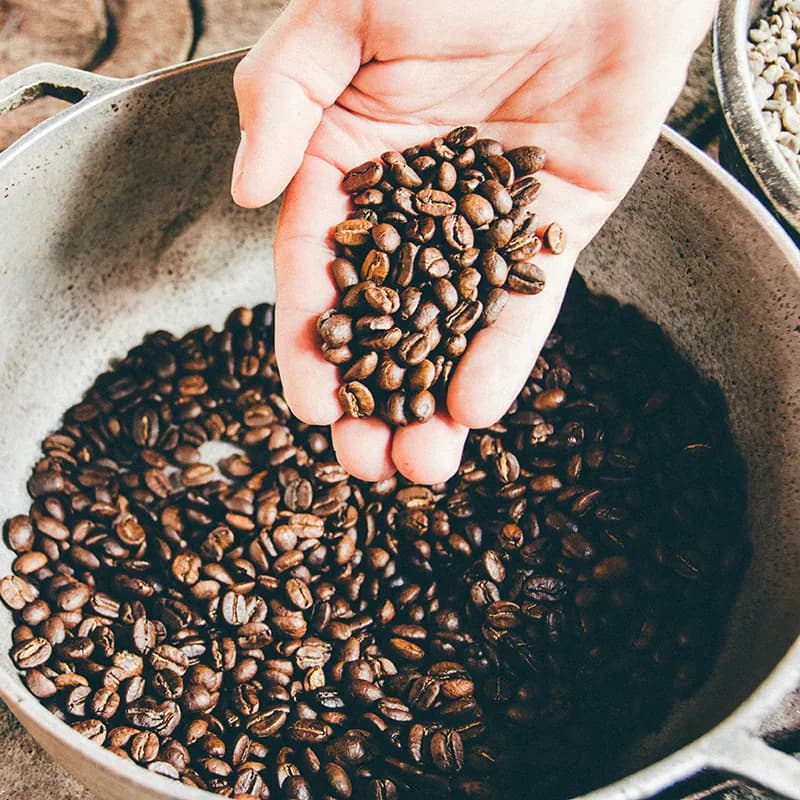
White label coffee is coffee that a roaster has already developed and produces as part of an existing coffee program.
You select a coffee—or sometimes a blend or roast profile—from the roaster's available offerings. The coffee is then packaged and sold under your business's branding.
The basic model looks like this: Roaster's coffeeYour packagingYour customer
The coffee itself may already be sold to other businesses. What makes it "white label" is that the finished product is presented under your brand rather than the roaster's consumer-facing brand.
White label coffee is often the simplest way to get a coffee product to market.
Why choose white label coffee?
White label makes sense when speed, simplicity, and lower complexity are more important than having a completely unique coffee.
It can be a good fit if you:
- Want to launch a coffee product quickly
- Don't need a unique roast profile
- Are testing whether your customers will buy coffee
- Want a relatively simple product line
- Prefer to focus on branding and marketing rather than coffee development
What Is Private Label Coffee?
Private label coffee takes the concept a step further. Instead of simply selecting an existing coffee, you work with a roasting partner to create a coffee product specifically for your brand.
That could include selecting specific green coffees, creating a custom blend, developing a roast profile, choosing the intended brewing application, and determining how the finished coffee will be packaged.
The model looks more like: Your brandYour coffeeYour roastYour packagingYour customer
Private label gives you more control over what ends up in the bag, and doesn't necessarily mean you need to become a coffee expert. A good roasting partner can help translate your preferences and goals into a coffee that works for your brand.
White Label vs. Private Label Coffee
The two terms are sometimes used interchangeably, but there's an important distinction.
| White Label | Private Label | |
|---|---|---|
| Coffee | Existing coffee | Custom-selected or developed |
| Roast profile | Usually existing | Can be customized or bespoke |
| Blend | Existing or limited options | Can be custom-developed |
| Branding | Your brand | Your brand |
| Time to market | Shorter | Longer |
| Customization | Lower | Higher |
| Best for | Simple, fast launches | Unique coffee brands |
PRIVATE LABEL Build a coffee around your brand.
Neither model is inherently better. If you're launching your first coffee product and want to keep things simple, white label may be the right place to start. If the coffee itself is an important part of your brand identity, private label gives you more room to create something distinctive.
How to Launch Your Own Coffee Brand
Creating a coffee brand can sound complicated. It doesn't have to be.
You don't need to own a roastery, employ a roast master, or start with ten different coffees. A focused product line and the right production partner can get you surprisingly far.
Define the brand—your vision
Start with the question:
Why should someone buy your coffee?
Your brand might be built around a place, a community, a lifestyle, a restaurant, a retail business, or simply a particular point of view about coffee. The coffee should support that story.
For example, a premium outdoor brand might want coffees with distinctive origins and adventurous flavor profiles. A neighborhood restaurant might want a familiar, approachable blend that works beautifully alongside breakfast.
Start with the customer and the brand—not the bag design.
Decide whether white label or private label makes sense
Ask yourself how important uniqueness is to your product.
If you mainly need a quality coffee with your branding, white label may be enough.
If you want a coffee that is uniquely associated with your business, private label is probably the better fit.
You can also start with white label and move toward private label as the brand grows.
Select your coffees
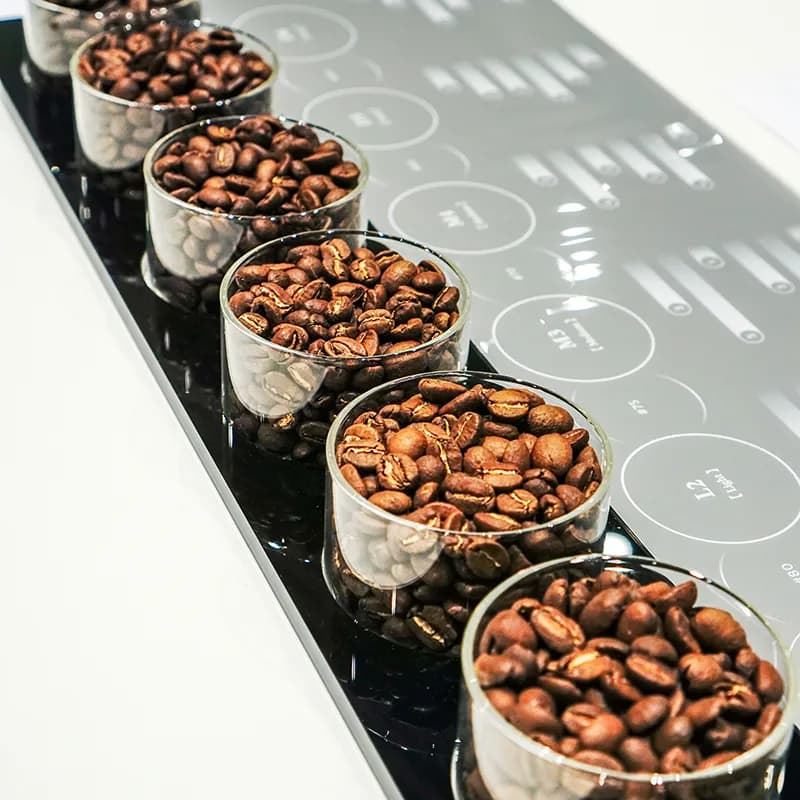
This is where working with a good roasting partner becomes valuable. You may want:
- A classic everyday drinker
- A fruit-forward single origin
- An espresso
- A decaf
- A custom blend
- Seasonal or limited-release coffees
Don't feel like you need a huge lineup. For many new brands, one or two standout coffees are a better starting point than six decent coffees to try and cover everyone's unique preferences.
Develop the roast
If you're pursuing private label, your roasting partner can help develop the roast profile. Roasting is about getting the most out of the bean while highlighting its characteristics. Your desired flavor profile and intended brewing method(s) will be taken into account.
A good development process should include tasting and refining the coffee before moving into production. It can take a bit of time, but is the fun part of crafting a new coffee.
White label coffee will already have this process honed in.
5. Create your packaging
Once the coffee is defined, it's time to make the product look like your brand.
Some packaging points to consider:
- What message do you want to convey about your brand?
- What is the coffee and what makes it special?
- What form will your coffee be available in—small tins, 12oz. bags, bulk sizes?
- How will your customer purchase your coffee—in store, online?
For a new coffee brand, the package is often the first physical interaction someone has with the product. Your packaging is equal parts marketing and business operations. Striking a balance between a great presentation and fiscal sustainability is key.
6. Set your pricing
Your retail price needs to account for more than the cost of roasting. Consider green coffee, roasting, packaging, labels, design, fulfillment, shipping, storage, margins, marketing and more.
A coffee that costs $8 to produce but needs to sell for $10 isn't necessarily a viable product if you need to pay for shipping, wholesale margins, marketing, and other costs.
7. Start small and learn
You don't need to launch with a line in Whole Foods. Start with the customers you already understand.
That may include your existing retail customers, your cafe patrons or your local community looking for a new coffee experience.
Use the first production run to learn what people actually want to buy. Then build from there.
Common Mistakes When Launching a Coffee Brand
Starting with too many coffees
More products don't automatically mean more sales. Start with a small lineup that makes sense for your customers. A smaller lineup is also a more manageable lineup as you're getting operational processes in place.
Treating the coffee as an afterthought
A beautiful package can't rescue a mediocre coffee. Your branding and coffee should reinforce each other.
Focusing only on the roasting cost
The cost per pound is only one piece of the economics. Packaging, shipping, labor, marketing, and margins can have a major impact on profitability.
Buying a roaster too soon
Owning a roaster can be the right move eventually. But it shouldn't be a requirement for launching a coffee brand.
If your primary goal is to build a brand and sell coffee, outsourcing production can let you invest in the parts of the business that actually differentiate you.
Trying to appeal to everyone
A coffee brand becomes easier to understand when it knows who it's for. Your ideal customer should influence your coffee selection, flavor profiles, packaging, pricing, and marketing.
Look to your own preferences, as well. Craft the coffee that you want to drink, especially if it is an underserved profile. Don't feel obligated to carry the same coffees as everyone else.
Build Your Coffee Brand With Dose
You don't need to build a roastery to build a coffee brand.
At Dose, we work with businesses that want to create and sell great coffee under their own brand. Depending on what you're building, that can mean an existing coffee program, a more customized private label coffee, or toll roasting using coffee you source yourself.
The goal is simple: Create a coffee you're proud to put your name on.
We provide the roasting expertise to help bring it all together.
If you're thinking about launching your own coffee brand, let's chat.
Connect with DoseFrequently Asked Questions About White Label & Private Label Coffee
What is white label coffee?
White label coffee is coffee that a roaster has already developed and produces as part of an existing coffee program. A business can typically select from available coffees and sell them under its own brand and packaging.
What is private label coffee?
Private label coffee is coffee produced specifically for another business or brand. The customer has more input into the coffee, roast profile, blend, packaging, and overall product than with a typical white label program.
What is the difference between white label and private label coffee?
White label coffee generally uses an existing coffee and roast profile that can be branded for your business, while private label coffee is developed specifically for your brand. White label is usually faster and simpler to launch; private label offers more customization and control.
Can I start a coffee brand without owning a coffee roaster?
Yes. A roasting partner can produce your coffee for you through a white label, private label, or toll roasting arrangement. This lets you build a coffee brand without investing in a commercial roaster and roasting facility.
How much does it cost to start a private label coffee brand?
The cost varies based on coffee, order volume, packaging, design, roasting, fulfillment, and other services. Starting with a small product line and a roasting partner can reduce the upfront investment compared with building your own roasting operation.
Can I choose my own coffee for a private label brand?
Yes. Depending on the roasting partner, you can select coffees from available offerings or source specific green coffees for your brand. Toll roasting can provide even more control because you can supply the green coffee yourself.
Can a coffee roaster help me develop my brand's roast profiles?
Yes. An experienced roasting partner can help evaluate green coffee and develop roast profiles based on your desired flavor, roast level, and brewing application.
Is private label coffee the same as wholesale coffee?
Not necessarily. Wholesale coffee typically means buying a roaster's established coffees for use or resale. Private label coffee is produced for your brand and sold under your branding. A private label program can be part of a broader wholesale relationship.
Photo Credits
- Private label coffee bag photo by With Mahdy on Unsplash
- Pan of roasted coffee photo by Milo Miloezger on Unsplash
- Flight of coffee samples photo by KWON JUNHO on Unsplash